The Origins of Quartz Glass
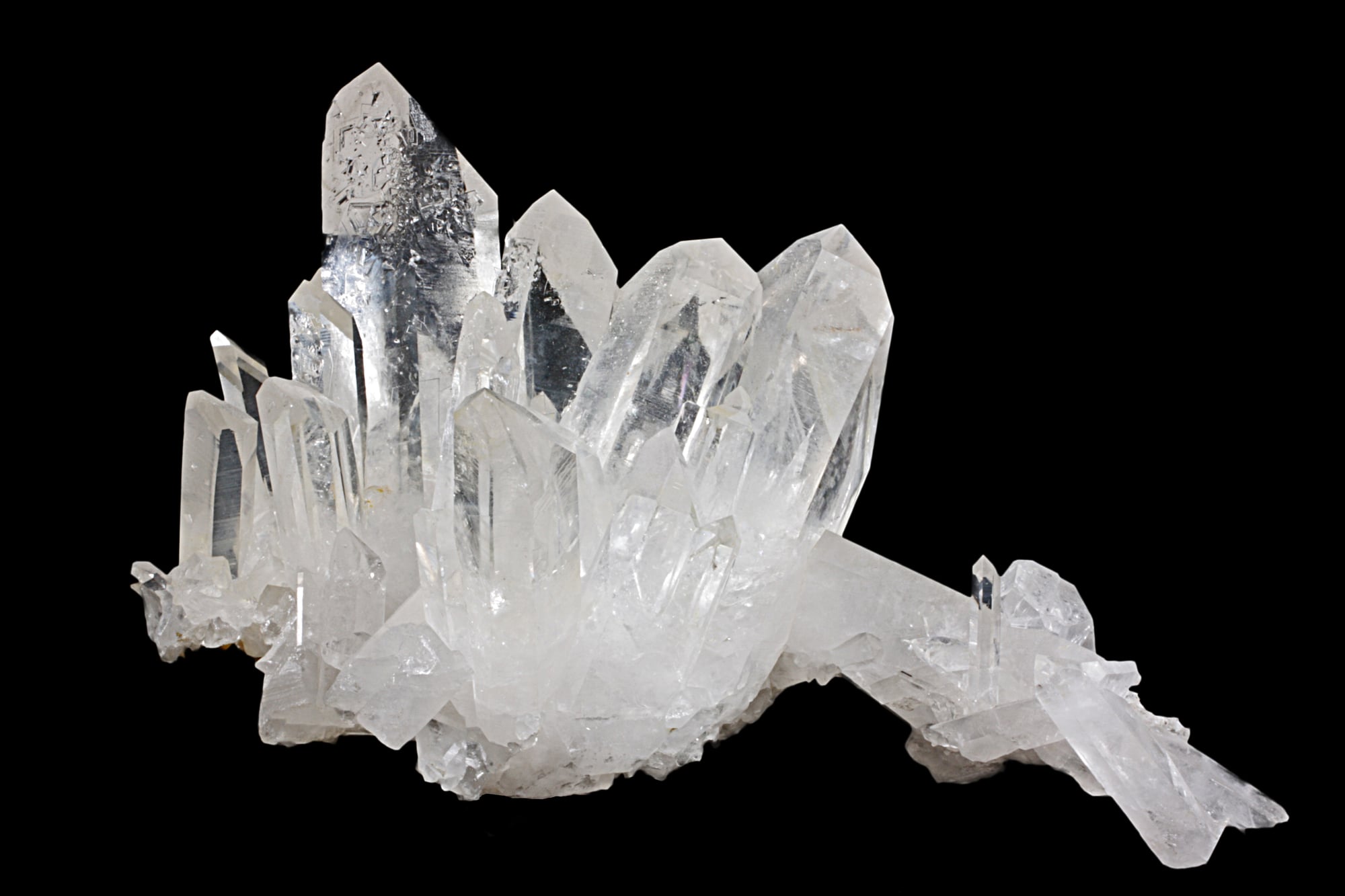
Quartz has been known to humans for thousands of years in its natural crystalline form. However, the development of fused quartz as a glass material occurred much later as scientists began experimenting with melting and reshaping pure silica.
Early Experiments with Silica
Researchers discovered that by melting natural quartz crystals at extremely high temperatures and rapidly cooling the molten material, they could produce a glassy substance known as fused quartz.
Unlike traditional glass, which contains additives such as soda or lime, fused quartz consists almost entirely of pure silica.
Understanding the Amorphous Structure
The key breakthrough in fused quartz development was recognizing the importance of its amorphous structure. While crystalline quartz has an ordered atomic arrangement, fused quartz has a disordered structure similar to glass.
This structure provides unique advantages including:
- High temperature resistance
- Exceptional chemical stability
- Optical transparency
Industrial Adoption
As industries began developing advanced technologies in optics, electronics, and scientific instrumentation, fused quartz became a preferred material.
Its unique combination of purity and stability made it essential for applications requiring precise performance.
Continuing Innovation
Today, fused quartz continues to evolve as manufacturing techniques improve and new applications emerge. At Technical Glass Products, we build on this history of innovation by providing advanced quartz solutions tailored to modern industries.