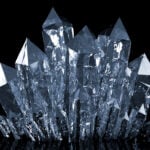
The opaque quality comes from quartz sands of high purity when reduced to a molten state at a temperature of approximately 2000° C. This same high-purity quartz is used in UV grade quartz discs and in laboratory items like microscope slides and cover slips, while quartz glass for water purification takes advantage of its chemical stability. The high temperature produces a vitreous material characterized by the presence of a multitude of gaseous micro-bubbles. These bubbles diffract light, giving the material its opacity. The term opaque silica trays is mainly used for molded or centrifuged parts, while the product obtained by drawing is normally referred to as translucent. Industrial quartz molding techniques ensure consistent shape and durability for these products.
Opaque fused quartz trays are 99.95% pure SiO2. These trays may contain some black spots either in the wall of the tray or on the surface. The spots are due to the method of fabrication and tooling. The opaque trays are a less expensive option to higher purity clear fused quartz trays.
Opaque silica glass offers a number of exceptional properties, such as:
- Extreme Hardness
- Low Expansion
- Excellent High Temperature Resistance
- Maximum Continuous Temperature 1100° C
- Extreme Chemical Purity
- Excellent Corrosion Resistance
- Excellent Electrical Insulation Properties
- Remarkable Stability Under Atomic Bombardment