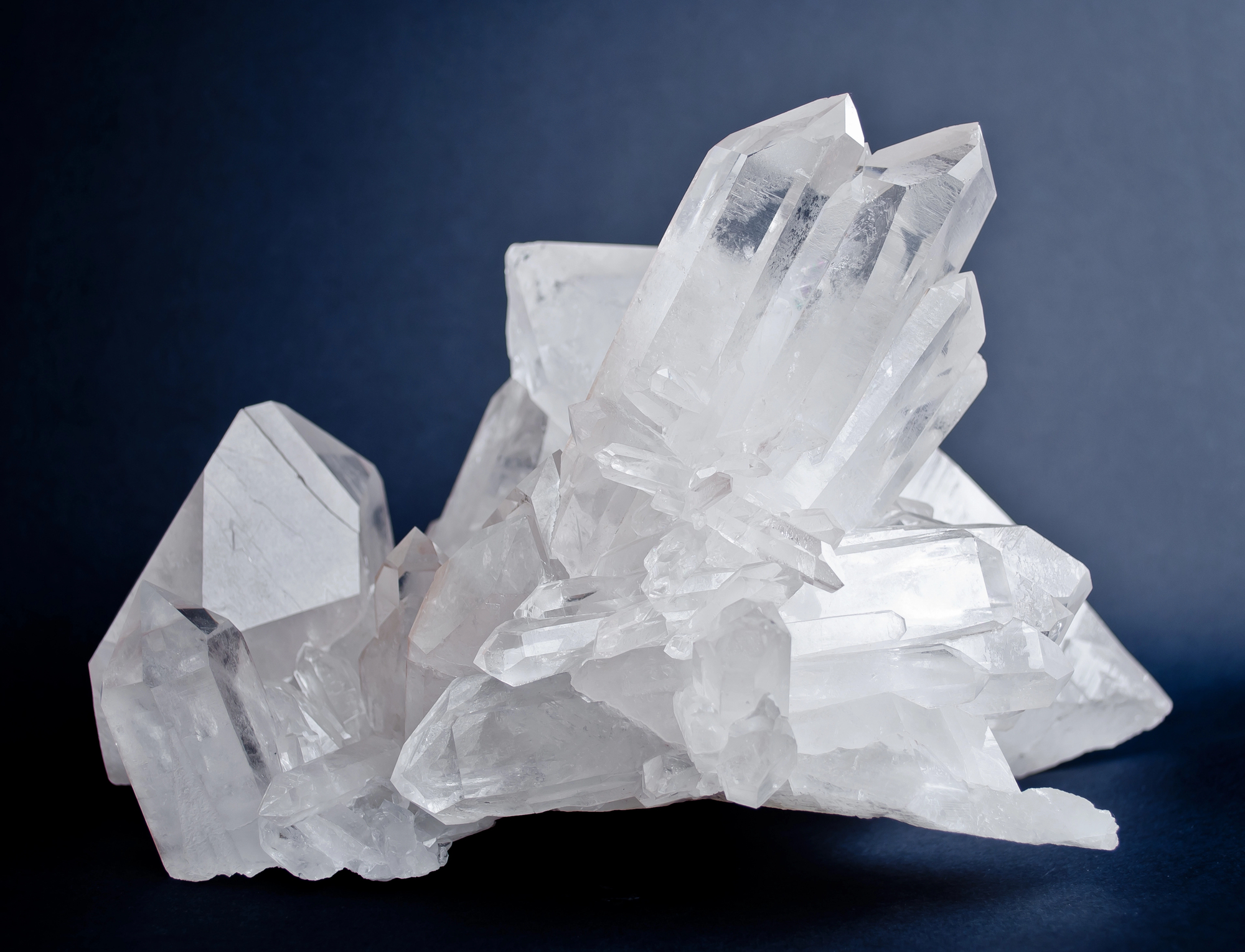
In UV and optical systems, material selection can directly affect performance. A component that looks clear to the eye may not provide the transmission, purity, or surface quality needed for a demanding technical application. This is one reason fused quartz and fused silica are frequently used in UV, photonics, analytical, laboratory, and specialty lighting environments.
Pure fused silica is known for UV transparency, while fused quartz and fused silica materials are valued for optical transmission, thermal stability, and resistance to thermal shock.
Optical Performance Begins With Material Selection
For optical or UV-facing components, it is important to understand the wavelength range involved. A material that performs well in visible light may not transmit deep UV effectively. Similarly, a component used in a high-temperature optical system may need both transmission performance and thermal durability.
Fused quartz may be used for windows, sleeves, plates, discs, lamp components, sight tubes, sample holders, and other parts where visibility, UV exposure, or optical clarity matters. Technical Glass Products offers fused quartz tubing, ground and polished plates and discs, microscope slides, cover slips, rods, and custom quartz fabrication.
Surface Quality Is Functional, Not Cosmetic
For optical parts, surface finish should not be treated as a cosmetic detail. Surface quality can influence light transmission, scattering, cleanability, inspection accuracy, and long-term performance.
Ground and polished quartz plates and discs may be used in applications where clarity, flatness, or dimensional consistency matters. In some systems, edge finish can also be important because chips, sharp corners, or rough edges may create handling issues or stress concentration.
Thermal and Optical Demands Often Overlap
Many UV and optical applications also involve heat. Quartz sleeves may protect UV lamps. Quartz windows may be used in process chambers. Quartz plates or discs may be used in analytical or high-temperature testing systems.
In these environments, the component must do more than transmit light. It must also withstand heat, chemical exposure, cleaning, and installation stresses. This is where fused quartz’s combination of optical and thermal properties becomes especially useful.
Custom Fabrication for Nonstandard Systems
Standard quartz plates, discs, rods, and tubing may be suitable for many applications. However, specialized optical systems often require custom dimensions, drilled features, shaped profiles, fused assemblies, or modified edges.
Custom fabrication allows the component to match the system instead of forcing the system to adapt to a standard stock size. This can be especially valuable in research environments, OEM equipment, laboratory instruments, and replacement part scenarios where the original component is no longer readily available.
Specification Details to Include
When sourcing quartz components for UV or optical use, useful details include:
- Wavelength range
- Required transmission characteristics
- Surface finish expectations
- Flatness or dimensional tolerance requirements
- Operating temperature
- Exposure to chemicals, process gases, or cleaning agents
- Mounting method
- Whether the part is a window, sleeve, plate, tube, disc, or custom assembly
Performance Depends on the Whole Component
In UV and optical systems, the material, geometry, surface quality, and fabrication method all contribute to performance. By specifying these factors clearly and working with an experienced quartz fabricator, buyers can improve part reliability and support consistent system output.